
With so many options on the market, it can be hard to know which camera bag is actually right for you, your setup, and the way you work. One of the first decisions to make is whether a backpack or a shoulder bag will suit you best.
Some photographers are constantly on the move - travelling, walking long distances, shooting for hours at a time. Others prefer quick, easy access to their camera without needing to take a bag off, especially for street photography, events or everyday carry. This is where the choice between a backpack and a shoulder bag really starts to matter.
Both styles have clear advantages. The key is understanding which one suits the way you shoot.

The Case for a Camera Backpack
Camera backpacks are ideal when you’re carrying a lot of gear, travelling, or spending long days on your feet.
Backpacks distribute weight evenly across both shoulders, which makes a significant difference after a few hours. Instead of all the load sitting on one side of your body, the weight is balanced and easier to carry for longer periods.
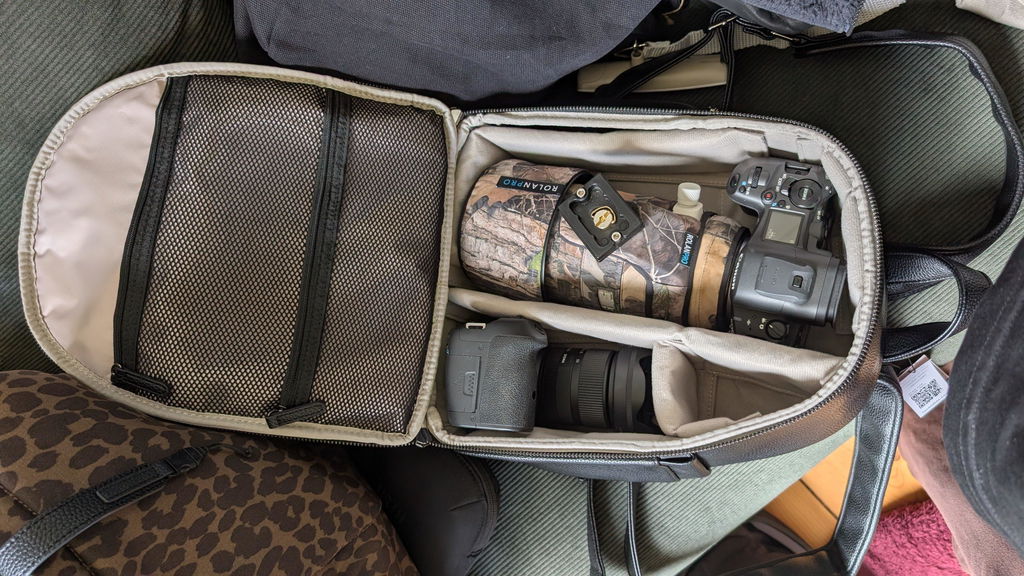
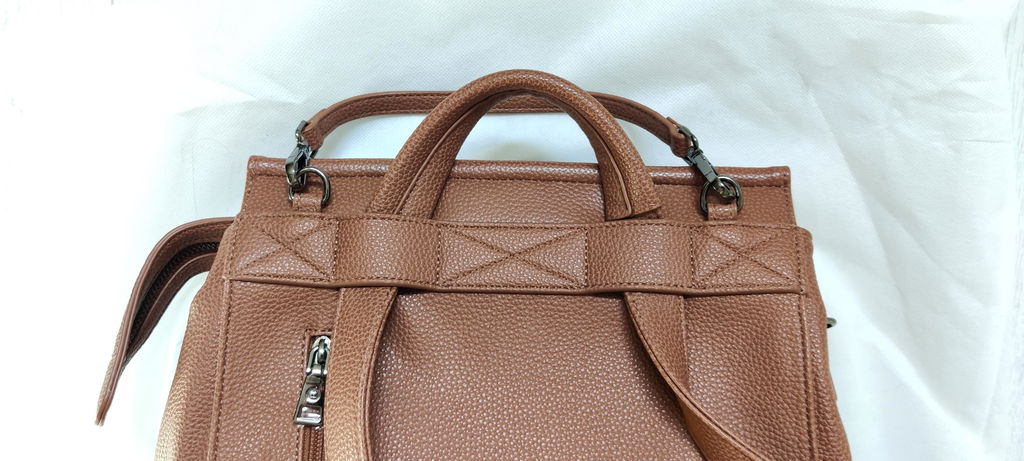
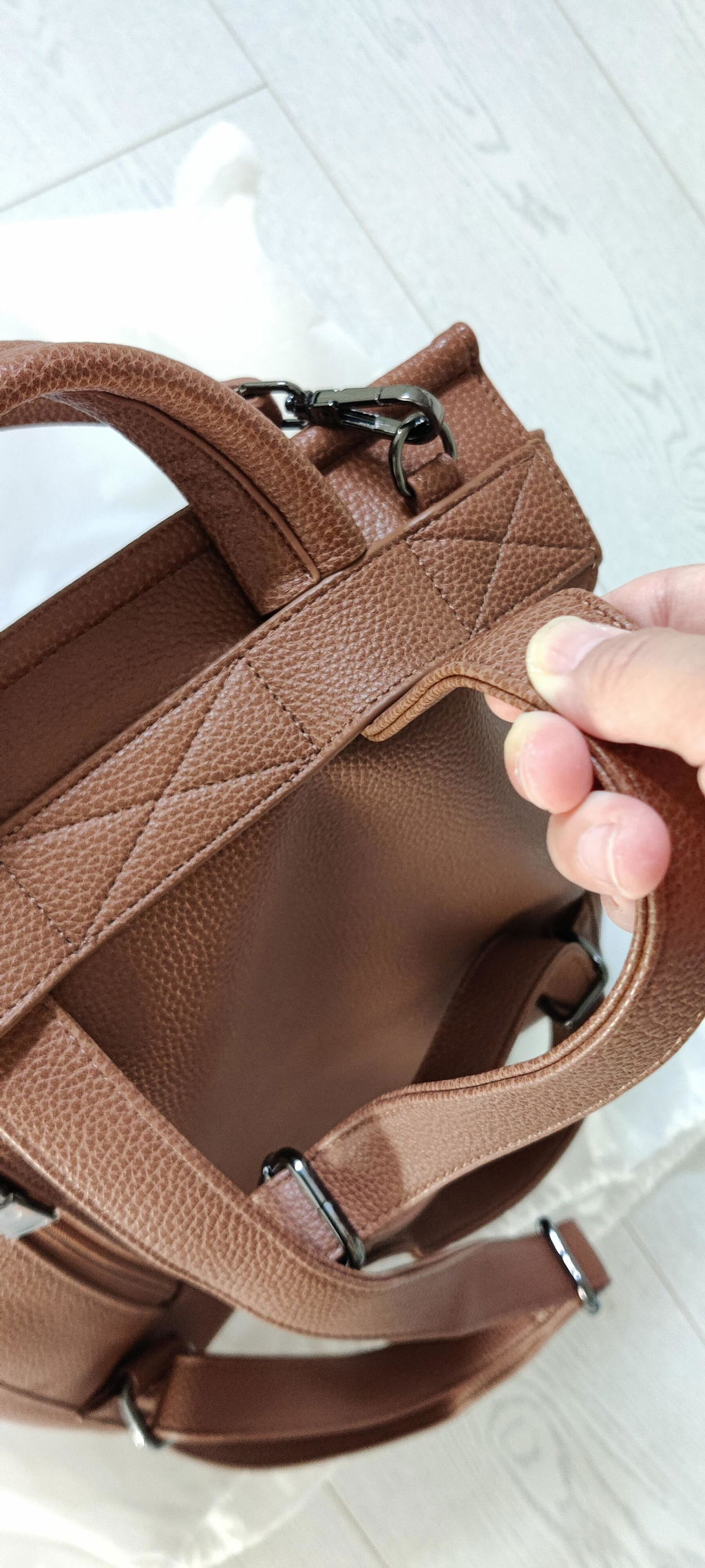
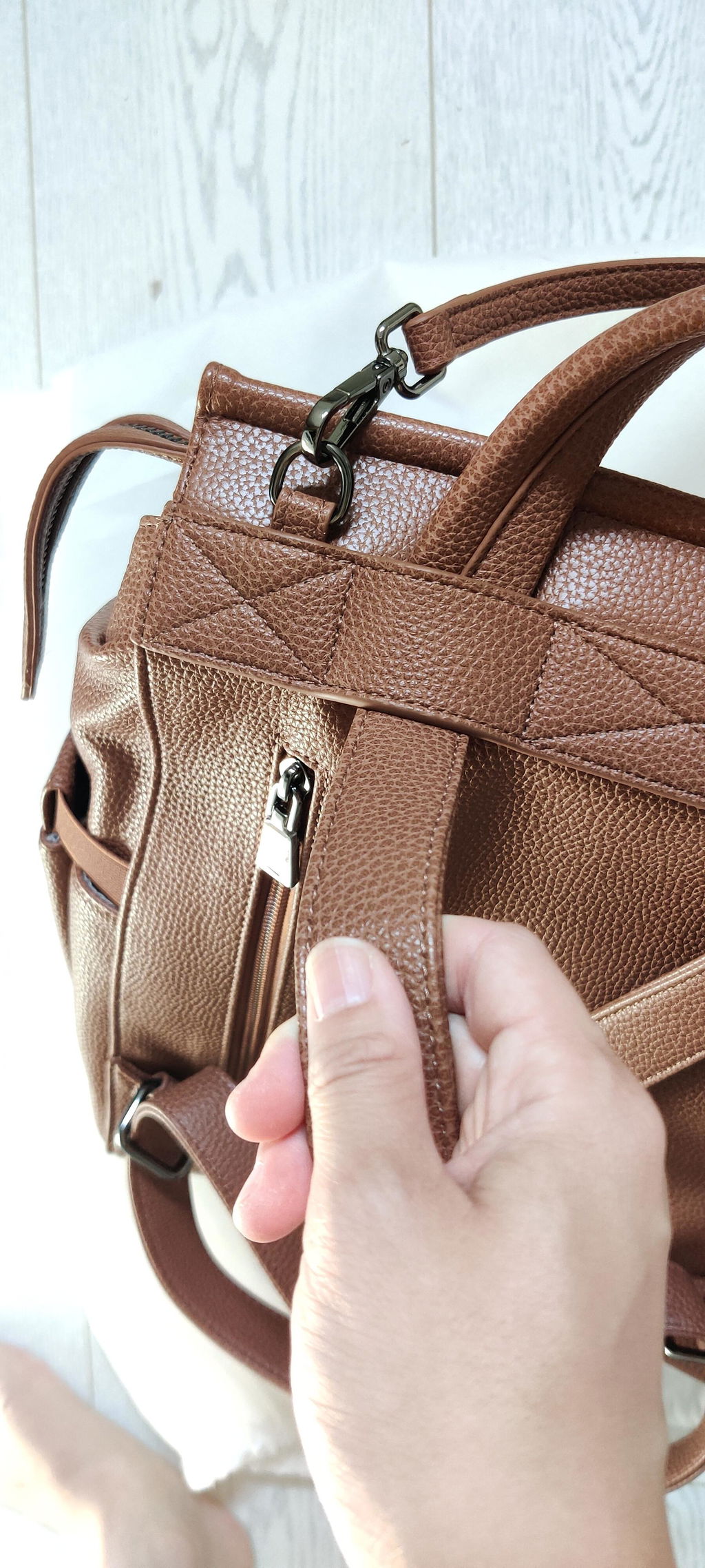
Bags like the Tildy Carryall Camera Backpack and the Archy Modular Camera Backpack are designed exactly for this. The extra space they provide means that they can hold everything you need for the day in addition to your camera gear. Laptops, water bottles, cables, personal items and camera equipment all have a place, without the bag feeling overstuffed.
A backpack is often the best choice if you:
-
Travel frequently with your gear
-
Carry multiple lenses or accessories
-
Need space for personal items as well as camera equipment
-
Spend long days walking or on location
Backpacks also tend to feel more secure in busy environments like airports or cities, as they sit close to your body and keep everything zipped away safely.

The Case for a Shoulder (or Crossbody) Camera Bag
Shoulder and crossbody camera bags shine when access and convenience are your priority.
Instead of removing a backpack every time you want your camera, a shoulder bag allows you to swing it forward, grab your camera, and keep moving. This makes a big difference for street photography, events, travel days, or any situation where you’re shooting frequently and don’t want interruptions.
The Pippa Crossbody Camera Bag and Bobbi Shoulder Camera Bag are great shoulder camera bag options. They’re compact, lightweight, and sit comfortably against the body while still fitting a camera and lens securely - as well as a few extra essentials.
A shoulder bag is often the best choice if you:
-
Prefer quick, easy access to your camera
-
Carry a smaller setup (camera + 1 lens)
-
Shoot street, events, or travel photography
-
Want a bag that doubles as an everyday handbag
They also feel more discreet and natural in social settings.

Style and Everyday Use
For years, photographers and travellers had an annoying choice to make. Carry a traditional camera bag that did the job but looked bulky and - let's face it - downright ugly, or use a nicer, more stylish bag often with little to no protection and padding for your expensive camera gear.
It often felt like you had to pick one: function or style.
That’s exactly the problem taz + tez camera bags set out to solve.
Taz + tez camera bags are designed to protect serious camera gear with padded inserts, smart organisation and secure closures - but without looking like typical camera bags. Instead, they resemble beautifully designed everyday bags you’d happily carry even if there wasn’t a camera inside.
This blend of function and style means you no longer have to compromise. You don’t have to swap bags between a shoot and the rest of your day. You don’t have to sacrifice protection to carry something that suits your personal style.
So, Which Should You Choose?
If you carry heavier gear for long periods, a backpack like the Tildy or Archy will feel significantly better by the end of the day. If you carry a lighter setup and value accessibility, a shoulder bag like the Pippa or Bobbi will make your workflow smoother.
Neither is “better” - they’re better for different situations.
Many photographers eventually own both, using each for different types of shoots and travel. One for heavier days. One for lighter, faster days.
The right camera bag isn’t about the most features. It’s about matching the bag to the way you actually shoot.